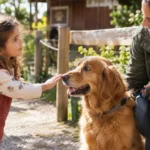
Moving day rarely looks like the calm beginning families imagine. There are half-packed boxes in the hallway, adults trying to answer questions, children wondering when the familiar rooms will disappear, and a pet watching every change as if the house has suddenly developed a completely new language.
A move can be exciting and still feel unsettling. Children may worry about leaving friends, bedrooms, routines, or familiar places. Pets may react to strange noises, open doors, unfamiliar people, travel, and the disappearance of their usual smells. The goal is not to eliminate every difficult feeling, but to make the transition safer and more predictable, with a clear next step for children and pets.
🐾 The basic idea: A smoother move is built in layers: prepare children for the change, protect the pet from the busiest moments, preserve a few familiar routines, and make the new home feel manageable one room at a time.
Why Moving Can Feel So Big for Children and Pets
Adults often focus on the practical work: selling or leaving the old home, packing, hiring movers, changing addresses, and getting the new space ready. Children experience the same event differently. They may see their belongings disappear into boxes before they understand where those things are going. They may feel excited one hour and tearful the next.
Children’s Health notes that a child’s response to moving can depend on age and personality. Some children feel curious about the adventure, while others experience genuine sadness, anger, anxiety, or fear about losing familiar people and places. Keeping communication open and maintaining routines can help give the change a safer structure.
Pets do not understand the reason for a move, but they notice the evidence everywhere: furniture moves, boxes appear, strangers enter, doors stay open, and the family’s attention becomes less predictable. A dog may pace or follow adults. A cat may hide, vocalize, or avoid a room that used to feel comfortable. These responses are not proof that the pet will struggle forever. They are signs that the environment has become harder to interpret.
The Three-Part Moving Plan
| Stage | Main goal | What to protect |
|---|---|---|
| Before | Build predictability and prepare the new environment | Routines, information, identification, and safe spaces |
| During | Reduce exposure to noise, traffic, and open exits | Physical safety, supervision, food, water, and emotional breaks |
| After | Re-establish daily life gradually | Sleep, meals, connection, exploration, and familiar rituals |
📦 Before the Move: Prepare the Family
Tell Children What Will Happen in Concrete Language
Young children do better with specific information than with a vague promise that “everything will be fine.” Explain what you know: when the boxes will be packed, how the family will travel, where the child will sleep, and what will happen to the pet on moving day.
- 🗓️ Use a simple calendar with pictures for packing, travel, and arrival.
- 🧸 Let your child choose a small bag of comfort items that will stay with them.
- 📸 Take photos of the old room or neighborhood if saying goodbye feels important.
- ❓ Invite questions more than once; children often process a major change gradually.
- 🎨 Give them one manageable job, such as labeling a box, choosing a room color, or packing books.
Do not promise that nothing will feel strange. A more reassuring message is: “Some things may feel different, and we will help you through them.” This makes room for excitement and sadness without suggesting that difficult feelings mean the move was a mistake.
Keep a Few Family Anchors Unchanged
Choose two or three routines that can travel with the family. They might be the same bedtime story, breakfast at a familiar time, a short evening walk, or a Friday movie. Children’s Health emphasizes that routines and family traditions can provide a sense of normalcy after a move.
You do not need to preserve every detail. The point is to give children a few reliable signals that say, “Our family is still here,” even when the walls and schedule are changing.
🐶 Before the Move: Prepare the Pet
Update Identification and Important Records
Before boxes fill the hallway, check that your pet’s identification is current. Update the address on the collar tag and microchip records, confirm that your phone number is correct, and keep vaccination or medication information easy to find. A frightened pet may slip through an open door during loading, unloading, or travel, so identification is part of the moving plan—not an optional extra.
Cornell University’s Riney Canine Health Center recommends updating a dog’s microchip and identification information before moving and discussing possible anxiety support with a veterinarian early if the dog has a history of significant stress.
Introduce Boxes Before They Take Over
Bring packing materials into the home gradually when possible. Let a relaxed dog investigate a box without forcing contact, and give a cat access to a quiet area away from the busiest packing activity. Avoid turning every interaction with a box, suitcase, or carrier into a struggle.
If your pet is comfortable, pair packing sounds with something positive: a food puzzle, a familiar chew, a short play session, or calm attention. If the pet is hiding, panting, pacing, or unable to settle, reduce the intensity and create more distance instead of insisting that it “get used to it.”
Practice the Travel Plan
If your pet will travel by car, practice the carrier, harness, or restraint before the moving day. Begin with short, easy sessions and reward calm behavior. Never place a pet loose in a moving vehicle, and never leave a pet unattended in a parked car.
For pets that become intensely distressed during travel, contact a veterinarian well before the move. Do not experiment with medication for the first time on the travel day.
💡 A preparation test: If your plan only works when everyone is calm, well-rested, and available, it is not ready yet. Build a version that still works when a child is crying, a doorbell is ringing, or an adult is carrying a box.
🚚 Moving Day: Protect Everyone From the Chaos
Give the Pet a Closed, Quiet Safe Area
Moving day is usually not the day for a pet to supervise the movers. Open doors, unfamiliar people, loud equipment, and shifting furniture create too many opportunities for escape or injury. Arrange care with a trusted person, boarding facility, or a quiet closed room that is clearly marked and not being emptied.
The ASPCA recommends keeping pets in a quiet room with the door closed or with a trusted caregiver during the move. Provide water, bedding, familiar items, and any food or medication needed for the day.
Give Children a Job Away From the Door
Children are naturally curious when adults are carrying furniture in and out. That curiosity can put them near traffic, tools, sharp objects, or an open exit. Assign a safe “moving-day station” with a trusted adult, snacks, books, headphones, or a simple activity.
- 🧳 Keep each child’s comfort bag easy to reach.
- 🚪 Explain that the outside door is an adult-only area during loading and unloading.
- 🛑 Use a visible boundary, such as a baby gate or a designated room, when appropriate.
- 📞 Give older children one adult they can ask when they feel confused or overwhelmed.
Keep the Pet and Child Plan Separate
It may feel comforting to keep the child and pet together in one quiet room, but that is not always the safest or calmest choice. A worried dog may react to a child’s movement, and a frightened cat may scratch while trying to escape. Each needs a safe place where they can rest without being approached.
🏠 Arrival: Set Up a Landing Zone First
When the family arrives, resist the urge to unpack the entire home immediately. Create a landing zone for each family member before opening every box. The first goal is not a finished house. It is a functional, low-stress base.
| Family member | First-hour setup | What to avoid |
|---|---|---|
| Young child | Comfort items, snack, drink, familiar activity, and a clear place to rest | Making the child wait all day for basic needs |
| Dog | Water, bed, food, leash, familiar toy, and a quiet room or gated area | Immediate access to every room and every open door |
| Cat | Litter box, water, food, hiding place, and familiar bedding in one quiet room | Carrying the cat around the house for introductions |
| Adults | Medication, phone chargers, food, and a short list of urgent tasks | Trying to unpack everything before anyone rests |
The ASPCA suggests starting a pet in one familiar “home base” room with food, water, toys, treats, and other necessary supplies, then gradually allowing access to more of the home as the animal becomes comfortable.
Pet-Proof Before Exploration
New homes often contain hazards that are easy to miss during unpacking: loose cords, nails, open windows, gaps behind appliances, cleaning products, toxic plants, or doors that do not latch properly. Walk through the pet’s first room before allowing exploration.
For children, create the same kind of first-day check. Look for exposed screws, unpacked tools, unstable furniture, open paint cans, and boxes that could tip. A home can be emotionally welcoming and still need a safety pass.
The First Week After the Move
Rebuild the Daily Rhythm Before Adding Extra Plans
For the first several days, prioritize meals, sleep, bathroom breaks, school or childcare logistics, medication, and calm connection. You do not need to fill the new home with visitors, errands, and celebrations immediately.
- ⏰ Keep wake-up and bedtime close to familiar times.
- 🍽️ Feed pets and children on a predictable schedule where possible.
- 🚶 Return to familiar walks or outdoor breaks gradually, checking the new area first.
- 🛏️ Protect quiet sleep, even if some boxes remain unopened.
- 💬 Ask children what feels easy, confusing, exciting, or difficult.
Explore in Small Sections
A child may want to see every room at once, while a nervous pet may need the opposite approach. Let the pet explore gradually and return to the safe room whenever needed. For a child, turn exploration into a small scavenger hunt or a simple “what is different?” game rather than expecting instant comfort.
Do not interpret hiding, clinginess, or temporary sleep disruption as a failure. Look for direction over time: Is the child asking more questions? Is the pet eating, resting, and showing moments of relaxed behavior? Small improvements matter.
Do Not Leave the Pet Alone Too Quickly
A pet that was comfortable being alone in the old home may not immediately feel safe in the new one. Start with very brief absences when possible and return before distress escalates. Ask a trusted person to check in if the family must leave for longer.
🌿 Progress may look ordinary: The child eats breakfast without asking when the boxes will disappear. The dog naps in the new room. The cat uses the litter box. These quiet moments are signs that the new place is becoming familiar.
Common Mistakes That Make a Move Harder
- 🚫 Expecting excitement to cancel grief. A child can be happy about the new home and sad about leaving the old one.
- 📦 Removing every familiar object at once. Keep bedding, toys, blankets, books, and comfort items available.
- 🚪 Letting pets roam during loading or unloading. Open exits and noise create an avoidable escape risk.
- 🧭 Changing every routine on the same day. Keep meals, sleep, walks, and connection as predictable as possible.
- 🎉 Planning a crowded housewarming immediately. Give children and pets time to settle before adding more stimulation.
- 🩺 Waiting too long to ask for help. Contact a pediatrician, veterinarian, or qualified behavior professional if concerns persist or safety is uncertain.
When to Slow Down and Seek Extra Support
Some adjustment is expected, but a family does not have to manage serious distress alone. Ask for help if a child cannot sleep, eat, attend school, or participate in ordinary life for a sustained period, or if anxiety is becoming intense and difficult to manage.
For pets, contact a veterinarian if there is persistent refusal to eat or drink, repeated escape behavior, severe panic, sudden aggression, injury, significant digestive or toileting changes, or distress that is not improving. Keep children and pets separated whenever you cannot supervise safely.
A Simple Moving Checklist for Families
- ☐ Children know when the move is happening and what the main steps will be.
- ☐ Each child has a small bag of comfort items for travel and arrival.
- ☐ Pet identification, microchip, medication, and records are current.
- ☐ The pet has a safe plan for moving day away from open doors and heavy traffic.
- ☐ Food, water, bedding, toys, litter supplies, and medications travel with the pet.
- ☐ The new home has been checked for cords, gaps, toxic products, loose objects, and unsafe exits.
- ☐ A quiet landing zone is ready before the family arrives.
- ☐ The first week includes familiar routines and fewer unnecessary demands.
FAQ About Moving With Kids and Pets
Should children help pack their own things?
Yes, when the task is age-appropriate and supervised. Let younger children choose books or soft toys, while older children can label boxes or make decisions about their room. Keep essential comfort items out of the moving truck if possible.
Should my pet stay with us on moving day?
Not necessarily. Many pets are safer and calmer with a trusted caregiver or in a secure quiet room away from movers. If the pet stays at home, use physical separation, identification, and a clear plan for food, water, bathroom breaks, and supervision.
How long should I keep my pet in one room after moving?
There is no universal number of hours. Wait until the pet is eating, resting, and showing relaxed behavior in the landing zone, then offer gradual exploration. If the pet becomes overwhelmed, return to the safe room and try again later.
What if my child says they hate the new house?
Start by listening rather than arguing. Ask what feels wrong and reflect the feeling: “You miss your old room,” or “This place feels unfamiliar.” Then offer one small choice the child can control, such as arranging books, choosing a night-light location, or planning a video call with an old friend.
Final Thoughts: Make the New Place Familiar Slowly
A family move is not successful because every box is unpacked on the first night or because every child and pet feels happy immediately. It is successful when the family can move through the change safely, honestly, and with enough patience to notice what each person needs.
Give children information and choices. Give pets distance, familiar objects, and predictable care. Protect the busiest moments with practical barriers and trusted helpers. Then let the new home become familiar through ordinary repetitions: breakfast, bedtime, play, walks, stories, naps, and small moments of calm.
Prepare → protect → settle → repeat. A new home becomes home when children and pets have enough safe, familiar experiences to trust the place around them.
What helped your family adjust after a move? Sometimes the smallest detail—a familiar blanket, a predictable breakfast, a quiet room, or one patient conversation—is what makes the biggest difference.
Sources and Further Reading
These resources informed the practical recommendations in this article:
- ASPCA: Moving With Your Pet — guidance on packing, moving-day safety, travel preparation, pet-proofing, and introducing a pet to a new home.
- Cornell University College of Veterinary Medicine: Moving to a New Home With Your Dog — practical recommendations for identification, routine, safe rooms, travel, and gradual adjustment.
- Children’s Health: How to Help Your Child Adjust to a Move — information about children’s responses to moving, communication, involvement, friendships, and maintaining routines.
A father of three and a lifelong dog owner who started CentralUnify.com after years of figuring out — often the hard way — how to raise kids and pets who genuinely get along. Between school mornings, homework, and life with two very different dogs, Biscuit (an easygoing older lab) and Pepper (a younger terrier mix with a mind of her own), he’s learned a thing or two about keeping a busy household running without losing his sanity. When he’s not writing, he’s probably refereeing whose turn it is to feed the dogs.